Reference: https://www.gavi.org/vaccineswork/routine-vaccinations-during-pandemic-benefit-or-risk
Saturday, April 30, 2022

Manuscript accepted in TUJM

Microbial quality analysis of panipuri samples collected from different parts of Bhaktapur
Punam Ghimire1, Sujata Khand1, Bhawana Chaulagain1, Ashish Siwakoti1, Dinesh Dhakal1, Upendra Thapa Shrestha2 *
1Sainik Awasiya Mahavidhyalaya
(affiliated to Tribhuvan University) Sallaghari, Bhaktapur
2Central Department of Microbiology,
Tribhuvan University, Kirtipur, Kathmandu, Nepal
*Corresponding Author: Upendra Thapa
Shrestha, Central Department of Microbiology, Tribhuvan University, Kirtipur,
Kathmandu, Email: upendra.thapashrestha@cdmi.tu.edu.np /
upendrats@gmail.com
ABSTRACT
Objectives: The study was aimed to identify
potential bacterial pathogens from the panipuri samples collected from
different vendors of Bhaktapur district and determine their antibiogram
patterns.
Methods: Altogether 120 (40 puri, 40 stuffing
and 40 pani) samples of panipuri were collected from different vendors of
Bhaktapur district in a cold chain and were transported to the microbiology
laboratory. Puri and stuffing were then pre-enriched, enriched and cultured
while pani samples were processed using the MPN method. All the isolates were
identified following standard microbiological procedure and subjected to
antibiotic susceptibility testing following CLSI guidelines.
Results: The result revealed contamination
of 77.5% stuffing, 67.5% puri and 52.5% pani samples with pathogenic bacteria. Among
bacterial pathogens, the highest number was Staphylococcus aureus
followed by Escherichia coli and Salmonella spp. 100% of S.
aureus were found to be resistant to ampicillin and novobiocin. Similarly,
94.1% of E. coli were resistant to ampicillin followed by ciprofloxacin
(64.7%). A very few isolates of Salmonella spp, Shigella spp and Vibrio
spp were resistant to tetracycline. The highest number of multidrug-resistant
bacteria were S. aureus, followed by Klebsiella
spp and E. coli.
Conclusion: The study showed that the panipuri
samples from street vendors were found to be highly contaminated with
pathogenic bacteria which might affect consumers’ health. Thus, to prevent any
food-borne illness in the future, frequent evaluation and regulation of the
quality of such foods should be carried out.
Thursday, March 31, 2022
Vaccine updates for COVID-19
Need to update more...
Just for reading
There are several COVID-19 vaccines validated for use by WHO (given Emergency Use Listing). The first mass vaccination programme started in early December 2020 and the number of vaccination doses administered is updated on a daily basis on the COVID-19 dashboard.
The WHO Emergency Use Listing process determines whether a product can be recommended for use based on all the available data on safety and efficacy and on its suitability in low- and middle-income countries. Vaccines are assessed to ensure they meet acceptable standards of quality, safety and efficacy using clinical trial data, manufacturing and quality control processes. The assessment weighs the threat posed by the emergency as well as the benefit that would accrue from the use of the product against any potential risks.
In line with their national regulations and legislation, countries have the autonomy to issue emergency use authorizations for any health product. Domestic emergency use authorizations are issued at the discretion of countries and not subject to WHO approval.
As of 12 January 2022, the following vaccines have obtained EUL:
- The Pfizer/BioNTech Comirnaty vaccine, 31 December 2020.
- The SII/COVISHIELD and AstraZeneca/AZD1222 vaccines, 16 February 2021.
- The Janssen/Ad26.COV 2.S vaccine developed by Johnson & Johnson, 12 March 2021.
- The Moderna COVID-19 vaccine (mRNA 1273), 30 April 2021.
- The Sinopharm COVID-19 vaccine, 7 May 2021.
- The Sinovac-CoronaVac vaccine, 1 June 2021.
- The Bharat Biotech BBV152 COVAXIN vaccine, 3 November 2021.
- The Covovax (NVX-CoV2373) vaccine, 17 December 2021.
- The Nuvaxovid (NVX-CoV2373) vaccine, 20 December 2021
Reference: https://www.who.int/news-room/questions-and-answers/item/coronavirus-disease-(covid-19)-vaccines
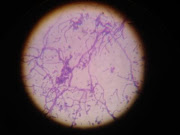
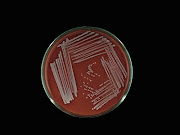
Bacteria in Photos