Progress Report
on
STUDY OF COLD TOLERANT
BIOGAS PRODUCING BACTERIA
Submitted To
Ministry of Environment, Science &Technology (MoEST)
Submitted By
Nepal Academy of Science & Technology (NAST)
Chaitra, 2065
PROJECT TITLE: Study of Cold Tolerant Biogas Producing Bacteria
IMPLEMENTING AGENCY: Nepal Academy of Science & Technology (NAST),
Khumaltar, Lalitpur, Nepal
COLLABORATING AGENCY: Research Laboratory for Biotechnology and Biochemistry
(RLABB), Maitidevi, Kathmandu, Nepal
FINANCING AGENCY: Ministry of Environment, Science & Technology (MoEST),
Government of Nepal, Sighdurbar, Kathmandu
PROJECT GOAL: Development of microbial inoculants for biogas production and technology
transfer to biogas users in cold regions
PROJECT TEAM:
Prof. Dr. V. P. Agrawal (Director, RLABB)
Dr. Kayo D. Yami
Ms. Tista Prasai (Scientific Officer, NAST)
Ms. Trishna Manandhar (Research Associate, NAST)
Mr. Upendra Thapa Shrestha (Research Scientist, RLABB)
Mr. Gopal BK (Lab Assistant, NAST)
Mr. Dilip Maharjan (Lab Assistant, RLABB)
INTRODUCTION
Biogas is a term used to represent a mixture of different gases (varied composition) produced as a result of action of anaerobic microorganisms on domestic and agricultural wastes. Bio-gas usually contains about 60 to 70 percent methane, 30 to 40 percent carbon dioxide, and other gases, including ammonia, hydrogen sulfide, mercaptans and other noxious gases.
Anaerobic digestion is a complex process wherein, a variety of bacteria are involved. It involves three steps: hydrolysis, acetogenic and methanogenic bacteria. (i) hydrolysis, which converts organic polymers into monomers (with the help of hydrolytic bacteria); (ii) acid formation, which involves conversion of monomers into simple compounds such as CO2, NH3 and H2, using a group of acid forming bacteria (acetogenic bacteria) and (iii) methane formation involving conversion of simple compounds into methane CH4 and CO2 utilizing anaerobic bacteria (methanogenic archaebacteria).
Methanogenic bacteria belong to the species of genera Methanobacterium, Methanomicrobium, Methanogenium, Methanosarcina, Methanospirillum and Methanococcus. Along with on going research, newer genera of methanogenic archaea namely : Methanosphaera, amarthanothermus, Methanoplanus, Methanocorpusculum, Methanocelleus, Methanobolus, Methanohalobium, Methanococcoides, Methanohalophilus, Methanothrix and Methanopyrus have been described.
on
STUDY OF COLD TOLERANT
BIOGAS PRODUCING BACTERIA
Submitted To
Ministry of Environment, Science &Technology (MoEST)
Submitted By
Nepal Academy of Science & Technology (NAST)
Chaitra, 2065
PROJECT TITLE: Study of Cold Tolerant Biogas Producing Bacteria
IMPLEMENTING AGENCY: Nepal Academy of Science & Technology (NAST),
Khumaltar, Lalitpur, Nepal
COLLABORATING AGENCY: Research Laboratory for Biotechnology and Biochemistry
(RLABB), Maitidevi, Kathmandu, Nepal
FINANCING AGENCY: Ministry of Environment, Science & Technology (MoEST),
Government of Nepal, Sighdurbar, Kathmandu
PROJECT GOAL: Development of microbial inoculants for biogas production and technology
transfer to biogas users in cold regions
PROJECT TEAM:
Prof. Dr. V. P. Agrawal (Director, RLABB)
Dr. Kayo D. Yami
Ms. Tista Prasai (Scientific Officer, NAST)
Ms. Trishna Manandhar (Research Associate, NAST)
Mr. Upendra Thapa Shrestha (Research Scientist, RLABB)
Mr. Gopal BK (Lab Assistant, NAST)
Mr. Dilip Maharjan (Lab Assistant, RLABB)
INTRODUCTION
Biogas is a term used to represent a mixture of different gases (varied composition) produced as a result of action of anaerobic microorganisms on domestic and agricultural wastes. Bio-gas usually contains about 60 to 70 percent methane, 30 to 40 percent carbon dioxide, and other gases, including ammonia, hydrogen sulfide, mercaptans and other noxious gases.
Anaerobic digestion is a complex process wherein, a variety of bacteria are involved. It involves three steps: hydrolysis, acetogenic and methanogenic bacteria. (i) hydrolysis, which converts organic polymers into monomers (with the help of hydrolytic bacteria); (ii) acid formation, which involves conversion of monomers into simple compounds such as CO2, NH3 and H2, using a group of acid forming bacteria (acetogenic bacteria) and (iii) methane formation involving conversion of simple compounds into methane CH4 and CO2 utilizing anaerobic bacteria (methanogenic archaebacteria).
Methanogenic bacteria belong to the species of genera Methanobacterium, Methanomicrobium, Methanogenium, Methanosarcina, Methanospirillum and Methanococcus. Along with on going research, newer genera of methanogenic archaea namely : Methanosphaera, amarthanothermus, Methanoplanus, Methanocorpusculum, Methanocelleus, Methanobolus, Methanohalobium, Methanococcoides, Methanohalophilus, Methanothrix and Methanopyrus have been described.
JUSTIFICATION OF THE STUDY
Knowledge of the fundamental processes involved in methane fermentation is necessary for planning, building and operating biogas plants. Anaerobic fermentation involves the activities of different bacterial communities. The process of biogas production depends on various parameters. For example, changes in ambient temperatures especially lowering of temperature can have a negative effect on bacterial activity. Furthermore, Biogas production in cold hilly areas is generally very slow due to inadequate temperature of biogas plant for the active conversion of biodegradable substrates into methane gas. Psychrophilic methanogenic bacteria pose potentials for biogas production in cold climates. The project focuses on isolation and development of inoculums of cold tolerant biogas producing bacteria so that biogas users of high altitude/ cold regions as well as biogas users of non-high altitudes in cold season can enjoy this rural technology.
OBJECTIVE
Development of cold tolerant Microbial Inoculant for expediting biodegradation of substrates used in biogas plants of cold regions
METHODOLGY
-Selection of cold tolerant Methanogenic bacteria capable of producing biogas growing them at 150C, 100c and 50C
-Biogas Slurry Sample collection
-Isolation and Identification of methonaogenic microorganisms (basal Medium (LPBM))
Anaerobic culture of Methanogenic bacteria at 150C, 100c and 50C
PROGRESS ACTIVITIES (Poush, 2065-Chaitra 2065)
Ø Field Survey on biogas users of Chapagaon (Total of 50 questionnaires)
Ø Biogas slurry Sample collection from Chapagaon, Lalitpur
Ø Preparation of Anaerobic media for methanogenic bacteria (Modified Hungate's media/ basal Medium /LPBM) used for selective enrichment and growth of methanogenic bacteria )
Ø Isolation and Identification of methanogenic bacteria
Based on the presumptive identification of anaerobic bacteria (Bergey's Manual of Systematic Bacteriology, Vol. 3) isolated from the LPBM Media were suspected to be Methanobacterium spp., Methanobrevibacter spp., Methanogenium spp., Methanosarcina spp. and Methanomicrobium spp.
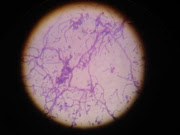
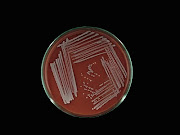
RESULTS obtained at RLABB (ISOLATION AND IDENTIFICATION OF COLD TOLERANT METHANOGENS FROM YAK DUNG OF DARCHULA)
REFERENCES
1. Boone, D. R. and Mah, R. A (1986). Methanogenic Archaeobacteria. In Bergey's Manual of Systematic Bacteriology, Vol. 3; section 5: pp. 2173-2216
2. Bryant, M. P. (1972) Commentary on the Hungate technique for culture of anaerobic bacteria. Am. J. Clin. Nutr. 25:1324-1328.
3. Daniels, L., and Zeikus, J. G (1975). Improved culture flask for obligate anaerobes. Appl. Microbiol. 29:710-711.
4. Roberts, D.J (2002) Methods for Assessing Anaerobic Biodegradation Potential: In Manual of Environmental Microbiology 2nd Edition ( Eds. Hurst, C.J, Crawfold, R. L, McInernet, M. J, Kndsen, G. R, Stetzenbach, L. D) American Society of Microbiology Press, Washington D. C, PP 1008-1017
5. http://www.bsp.org.np/
6. Zeikus, J. G., and Bowen, V. G. (1975) Comparative ultrastructure of methanogenic bacteria. Can. J. Microbiol. 21:121-129.
Glimpses on Biogas Project Activities 2065/66
Biogas plants in Chapagaon VDC
Stove operated by Biogas
Microbiological Analysis of Biogas slurry