Thursday, February 12, 2026

Molecular Detection of CTX-M Type ESBL Genes in Clinical Isolates of Klebsiella Species

 Molecular Detection of CTX-M Type ESBL Genes in Clinical Isolates of Klebsiella Species

Neesha Shrestha1, Kuntala Shrestha1, Upendra Thapa Shrestha2, Komal Raj Rijal2, Gayatri Karki3, Ishworiya Lamichhane1, Kiran Sapkota4, Sanjib Adhikari2 ,Shyam Prakash Dumre2, Nabaraj Adhikari2*

1Kantipur College of Medical Science, Tribhuvan University, Sitapaila, Kathmandu, Nepal

2Central Department of Microbiology, Tribhuvan University

3Himal Hospital Pvt. Ltd., Thirbum Marg, Kathmandu

4Sam Houston State University, Huntsville, Texas, USA

*Corresponding author: Nabaraj Adhikari, Assistant Professor, Central Department of Microbiology, TU, Email: nabaraj.adhikari@cdmi.tu.edu.np


ABSTRACT

Objective: The objective of this study is to determine the prevalence of Extended-Spectrum β-Lactamase (ESBL) production and CTX-M genes among Klebsiella species isolated from clinical specimens.

Methods: A total of 1,815 clinical samples—including urine, blood, sputum, pus, and body fluids were collected at Himal Hospital Kathmandu, during 2019–2020. Standard microbiological techniques were used for isolation and identification of bacterial pathogens. Antimicrobial susceptibility testing was performed using the modified Kirby–Bauer disk diffusion method following CLSI (2019) guidelines. ESBL screening was conducted using third-generation cephalosporins, and confirmation was done via the Double Disk Synergy Test (DDST). Molecular detection of the CTX-M gene was performed using PCR with specific primers targeting a 544 bp amplicon.

Results: Among 1,815 clinical samples, urine constituted the majority (65.8%), followed by blood (25.1%). Escherichia coli was the predominant isolate (89.1%), while Klebsiella pneumoniae (6.2%) and Klebsiella oxytoca (0.74%) comprised a smaller proportion. Of the 28 Klebsiella spp. isolates, the highest antibiotic sensitivity was observed toward Amikacin (60.7%) and Meropenem (57.1%), whereas complete resistance to Amoxicillin (100%) and high resistance to Cefixime (89.3%) and Cefotaxime (75.0%) were recorded. ESBL screening identified 22 (78.6%) potential ESBL producers, of which 18 (64.3%) were confirmed phenotypically. PCR analysis revealed the CTX-M gene in 7 of the 18 ESBL-positive isolates, demonstrating a notable presence of CTX-M–mediated resistance among Klebsiella spp.

Conclusion: The findings highlight a concerning prevalence of ESBL production and CTX-M genes in Klebsiella species in the study population, underscoring the need for continuous surveillance, rational antibiotic use, and strengthened antimicrobial stewardship programs to limit the spread of multidrug-resistant strains.

Keywords: Klebsiella spp., ESBL producer and CTX-M


Date of Submission: November 12, 2025     Date of Acceptance: December 22, 2025

Published Online: December, 2025               DOI: https://doi.org/10.3126/tujm.v12i1.88388


Full text: Download

Tuesday, January 13, 2026

Investigation of the blaNDM-1 and armA Genes in Carbapenem-Resistant Klebsiella pneumoniae Isolated from the Clinical Samples in Kathmandu, Nepal

Rohit Ghimire,¹ Subash Kumar Thakur,² Upendra Thapa Shrestha,¹* Komal Raj Rijal,¹ Prakash Ghimire,¹ and Megha Raj Banjara¹*

¹Central Department of Microbiology, Tribhuvan University, Kirtipur, Kathmandu, Nepal

²Paropakar Maternity and Women’s Hospital, Thapathali, Kathmandu, Nepal


Abstract

Klebsiella pneumoniae carbapenemase (KPC) and metallo-β-lactamase production are major causes of carbapenem resistance, whereas aminoglycoside resistance is caused by extrinsically acquired 16S-rRNA methyltransferase. K. pneumoniae coharboring resistance genes are serious health care issues that can cause multidrug resistance (MDR). This study aimed to describe the resistance genes (New Delhi metallo-beta-lactamase 1 [blaNDM-1] and armA) in the plasmids of K. pneumoniae from patients visiting the Paropakar Maternity and Women’s Hospital, Kathmandu, Nepal. Altogether, 8,017 clinical specimens were processed following standard microbiological procedures to identify K. pneumoniae. Antibiotic susceptibility testing and detection of phenotypic carbapenemase production in K. pneumoniae isolates were performed using the modified Kirby-Bauer disc diffusion method. The resistance genes were detected by conventional polymerase chain reaction. Of 8,017 clinical specimens, 6.8% (n = 545) had bacterial growth, and 70 were K. pneumoniae. Colistin (100%, n = 70) and imipenem (80%, n = 56) were the most effective antibiotics. Thirty percent (n = 21) of the isolates were MDR, whereas 66.7% (n = 14) were carbapenemase producers, among which 38.1% (n = 8) had a minimum inhibitory concentration of 64 mg/mL to imipenem. Among carbapenemase producers, 23.8% (n = 5) were KPC and 66.7% (n 5 14) were metallo-β-lactamase producers. Out of 21 MDR K. pneumoniae, 19.5% (n = 4) harbored the blaNDM-1 and armA genes, and 14.3% (n = 2) had both genes. Detection of the coexistence of the resistance genes from K. pneumoniae reveals that there might be increased antibiotic resistance, leading to multidrug resistance and an increased resistance to imipenem. In conclusion, advancing antimicrobial-resistance surveillance in maternity wards and minimizing the use of last-line antibiotics are crucial for safeguarding maternal and neonatal health.


FULLTEXT: DOWNLOAD


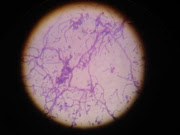
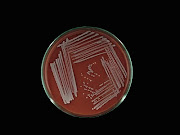
Bacteria in Photos

Bacteria in Photos