Saturday, October 3, 2009

Solid Waste Management:Glossary

Aerobic composting

a method of com-posting organic wastes using bacteria that need oxygen. This requires that the waste be exposed to air, either via turning or by forcing air through pipes that pass through the material.

Anaerobic digestion

a method of composting that does not require oxygen. This composting method produces methane. Also known as anaerobic composting.

Ash

the noncombustible solid by-products of incineration or other burning process.

Autoclaving

sterilization via a pressurized, high-temperature steam process.

Baghouse

a combustion plant emission control device that consists of an array of fabric filters through which flue gases pass in an incinerator flue. Particles are trapped and thus prevented from passing into the atmosphere.

Basel Convention

an international agreement on the control of transboundary movements of hazardous wastes and their disposal, drawn up in March 1989 in Basel, Switzerland, with over 100 countries as signatories.

Biodegradable material

any organic material that can be broken down by microorganisms into simpler, more stable com-pounds. Most organic wastes (e.g., food, paper) are biodegradable.

Bottom ash

relatively coarse, noncombustible, generally toxic residue of incin-eration that accumulates on the grate of a furnace.

Bulky waste

large wastes such as appliances, furniture, and trees and branches, that cannot be handled by normal MSW processing methods.

Cell

the basic unit by which a landfill is developed. It is the general area where incoming waste is tipped, spread, compacted, and covered.

Chemocar

a special vehicle for the collection of toxic and hazardous wastes from residences, shops, and institutions.

Cleaner production

processes designed to reduce the wastes generated by production.

Co-disposal

the disposal of different types of waste in one area of a landfill or dump. For instance, sewage sludges may be disposed of with regular solid wastes.

Cogeneration

production of both electricity and steam from one facility, from the same fuel source.

Collection

the process of picking up wastes from residences, businesses, or a collection point, loading them into a vehicle, and transporting them to a processing, transfer, or disposal site.

Combustibles

burnable materials in the waste stream, including paper, plastics, wood, and food and garden wastes.

Combustion

in MSWM, the burning of materials in an incinerator.

Commingled

mixed recyclables that are collected together after having been separated from mixed MSW.

Communal collection

a system of collection in which individuals bring their waste directly to a central point, from which it is collected.

Compactor vehicle

a collection vehicle using high-power mechanical or hydraulic equipment to reduce the volume of solid waste.

Composite liner

a liner system for a land-fill consisting of an engineered soil layer and a synthetic sheet of material.

Compost

the material resulting from com posting. Compost, also called humus, is a soil conditioner and in some instances is used as a fertilizer.

Composting

biological decomposition of solid organic materials by bacteria, fungi, and other organisms into a soil-like product.

Construction and demolition debris

waste generated by construction and demolition of buildings, such as bricks, concrete, drywall, lumber, miscellaneous metal parts and sheets, packaging materials, etc.

Controlled dump

a planned landfill that incorporates to some extent some of the features of a sanitary landfill: siting with respect to hydrogeological suitability, grading, compaction in some cases, leachate control, partial gas management, regular (not usually daily) cover, access control, basic record-keeping, and controlled waste picking.

Curbside collection

collection of compostables, recyclables, or trash at the edge of a sidewalk in front of a residence or shop.

Curing

allowing partially composted materials to sit in a pile for a specified period of time as part of the maturing process in composting.

Disposal

the final handling of solid waste, following collection, processing, or incineration. Disposal most often means placement of wastes in a dump or a landfill.

Diversion rate

the proportion of waste material diverted for recycling, composting, or reuse and away from landfilling or incineration.

Drop-off center

an area or facility for receiving compostables or recyclables that are dropped off by waste generators.

Dump

see controlled dump and open dump.

Emissions

gases released into the atmosphere.

Energy recovery

the process of extracting useful energy from waste, typically from the heat produced by incineration or via methane gas from landfills.

Environmental impact assessment (EIA)

an evaluation designed to identify and predict the impact of an action or a project on the environment and human health and well-being. Can include risk assessment as a component, along with economic and land use assessment.

Environmental risk assessment (EnRA)

an evaluation of the interactions of agents, humans, and ecological resources. Comprised of human health risk assessment and ecological risk assessment, typically evaluating the probabilities and magnitudes of harm that could come from environmental contaminants.

Fabric filter

see baghouse.

Flaring

the burning of methane emitted from collection pipes at a landfill.

Fluidized-bed incinerator

a type of incinerator in which the stoker grate is replaced by a bed of limestone or sand that can withstand high temperatures. The heating of the bed and the high air velocities used cause the bed to bubble, which gives rise to the term fluidized.

Fly ash

the highly toxic particulate matter captured from the flue gas of an incinerator by the air pollution control system.

Garbage

in everyday usage, refuse in general. Some MSWM manuals use garbage to mean "food wastes," although this usage is not common.

Groundwater

water beneath the earth's surface that fills underground pockets (known as aquifers), supplying wells and springs.

Hazardous waste

waste that is reactive, toxic, corrosive, or otherwise dangerous to living things and/or the environment. Many industrial by-products are hazardous.

Heavy metals

metals of high atomic weight and density, such as mercury, lead, and cadmium, that are toxic to living organisms.

Household hazardous waste

products used in residences, such as paints and some cleaning compounds, that are toxic to living organisms and/or the environment.

Humus

the end product of composting, also called compost.

Incineration

the process of burning solid waste under controlled conditions to reduce its weight and volume, and often to produce energy.

Informal sector

the part of an economy that is characterized by private, usually small-scale, labor-intensive, largely unregulated, and unregistered manufacturing or provision of services.

Inorganic waste

waste composed of material other than plant or animal matter, such as sand, dust, glass, and many synthetics.

Integrated solid waste management

coordinated use of a set of waste management methods, each of which can play a role in an overall MSVVM plan.

International NGO

an organization that has an international headquarters and branches in major world regions, often with the purpose of undertaking development assistance.

In-vessel composting

composting in an enclosed vessel or drum with a controlled internal environment, mechanical mixing, and aeration.

Itinerant waste buyer

a person who moves around the streets buying (or bartering for) reusable and recyclable materials.

Landfill gases

gases arising from the decomposition of organic wastes; principally methane, carbon dioxide, and hydrogen sulfide. Such gases may cause explosions at landfills.

Landfilling

the final disposal of solid waste by placing it in a controlled fashion in a place intended to be permanent. The Source Book uses this term for both controlled dumps and sanitary landfllls.

Leachate

liquid (which may be partly produced by deromposition of organic matter) that has seeped through a landfill or a compost pile and has accumulated bacteria and other possibly harmful dissolved or suspended materials. If uncontrolled, leachate can contaminate both groundwater and surface water.

Leachate pond

a pond or tank constructed at a landfill to receive the leachate from the area. Usually the pond is designed to provide some treatment of the leachate, by allowing settlement of solids or by aeration to promote biological processes.

Lift

the completed layer of compacted waste in a cell at a landfill.

Liner

a protective layer, made of soil and/or synthetic materials, installed along the bottom and sides of a landfill to prevent or reduce the flow of leachate into the environment.

Manual landfill

a landfill in which most operations are carried out without the use of mechanized equipment.

Market waste

primarily organic waste, such as leaves, skins, and unsold food, discarded at or near food markets.

Mass-burn incinerator

a type of incinerator in which solid waste is burned without prior sorting or processing.

Materials recovery

obtaining materials that can be reused or recycled.

Materials recovery facility (MRF)

a facility for separating commingled recyclables by manual or mechanical means. Some MRFs are designed to separate recyclables from mixed MSW. MRFs then bale and market the recovered materials.

Methane

an odorless, colorless, flammable, explosive gas, CH,, produced by anaerobically decomposing MSW at landfills.

Microenterprise

a synonym for small-scale enterprise: a business, often family-based or a cooperative, that usually employs fewer than ten people and may operate "informally."

Mixed waste

unsorted materials that have been discarded into the waste stream.

Modular incinerator

a relatively small type of prefabricated solid waste combustion unit.

Monofill

a landfill intended for one type of waste only.

MSW

municipal solid waste.

MSWM

municipal solid waste management.

Municipal solid waste

all solid waste generated in an area except industrial and agricultural wastes. Sometimes includes construction and demolition debris and other special wastes that may enter the municipal waste stream. Generally excludes hazardous wastes except to the extent that they enter the municipal waste stream. Sometimes defined to mean all solid wastes that a city authority accepts responsibility for managing in some way.

Municipal solid waste management

planning and implementation of systems to handle MSW.

NGO

Nongovernmental organization. May be used to refer to a range of organizations from small community groups, through national organizations, to international ones. Frequently these are not-for-profit organizations.

Night soil

human excreta.

NIMBY

"Not In My Back Yard." An expression of resident opposition to the siting of a solid waste facility based on the particular location proposed.

Open dump

an unplanned "landfill" that incorporates few if any of the characteristics of a controlled landfill. There is typically no leachate control, no access control, no cover, no management, and many waste pickers.

Organic waste

technically, waste containing carbon, including paper, plastics, wood, food wastes, and yard wastes. In practice in MSWM, the term is often used in a more restricted sense to mean material that is more directly derived from plant or animal sources, and which can generally be decomposed by microorganisms.

Pathogen

an organism capable of causing disease.

Picker

see waste picker.

Pollution

the contamination of soil, water, or the atmosphere by the discharge of waste or other offensive materials.

Post-consumer materials

materials that a consumer has finished using, which the consumer may sell, give away, or discard as wastes.

Primary material

a commercial material produced from virgin materials used for manufacturing basic products. Examples include wood pulp, iron ore, and silica sand.

Privatization

a general term referring to a range of contracts and other agreements that transfer the provision of some services or production from the public sector to private firms or organizations.

Processing

preparing MSW materials for subsequent use or management, using processes such as baling, magnetic separation, crushing, and shredding. The term is also sometimes used to mean separation of recyclables from mixed MSW.

Producer responsibility

a system in which a producer of products or services takes responsibility for the waste that results from the products or services marketed, by reducing materials used in production, making repairable or recyclable goods, and/ or reducing packaging.

Putrescible

subject to decomposition or decay. Usually used in reference to food wastes and other organic wastes that decay quickly.

Pyrolysis

chemical decomposition of a substance by heat in the absence of oxygen, resulting in various hydrocarbon gases and carbon-like residue.

Recyclables

items that can be reprocessed into feedstock for new products. Common examples are paper, glass, aluminum, corrugated cardboard, and plastic containers.

Recycling

the process of transforming materials into raw materials for manufacturing new products, which may or may not be similar to the original product.

Refuse

a term often used interchangeably with solid waste.

Refuse-derived fuel (RDF)

fuel produced from MSW that has undergone processing. Processing can include separation of recyclables and noncombustible materials, shredding, size reduction, and pelletizing.

Resource recovery

the extraction and utilization of materials and energy from wastes.

Reuse

the use of a product more than once in its original form, for the same or a new purpose.

Rubbish

a general term for solid waste. Sometimes used to exclude food wastes and ashes.

Sanitary landfill

an engineered method of disposing of solid waste on land, in a manner that meets most of the standard specifications, including sound siting, extensive site preparation, proper leachate and gas management and monitoring, compaction, daily and final cover, complete access control, and record-keeping.

Scrubber

emission control device in an incinerator, used primarily to control acid gases, but also to remove some heavy metals.

Secondary material

a material recovered from post-consumer wastes for use in place of a primary material in manufacturing a product.

Secure landfill

a disposal facility designed to permanently isolate wastes from the environment. This entails burial of the wastes in a landfill that includes clay and/ or synthetic liners, leachate collection, gas collection (in cases where gas is generated), and an impermeable cover.

Septage

sludge removed from a septic tank (a chamber that holds human excreta).

Set-out container

a box or bucket used for residential waste that is placed outside for collection.

Sewage sludge

a semi-liquid residue that settles to the bottom of canals and pipes carrying sewage or industrial wastewaters, or in the bottom of tanks used in treating wastewaters.

Site remediation

treatment of a contaminated site by removing contaminated solids or liquids or treating them on-site.

Source reduction

the design, manufacture, acquisition, and reuse of materials so as to minimize the quantity and/or toxicity of waste produced.

Source separation

setting aside of compostable and recyclable materials from the waste stream before they are collected with other MSW, to facilitate reuse, recycling, and composting.

Special wastes

wastes that are ideally considered to be outside of the MSW stream, but which sometimes enter it and must often be dealt with by municipal authorities. These include household hazardous waste, medical waste, construction and demolition debris, war and earthquake debris, tires, oils, wet batteries, sewage sludge, human excreta, slaughterhouse waste, and industrial waste.

Subsidy

direct or indirect payment from government to businesses, citizens, or institutions to encourage a desired activity.

Tipping fee

a fee for unloading or dumping waste at a landfill, transfer station, incinerator, or recycling facility.

Tipping floor

unloading area for vehicles that are delivering MSW to a transfer station or incinerator.

Transfer

the act of moving waste from a collection vehicle to a larger transport vehicle.

Transfer point

a designated point, often at the edge of a neighborhood, where sma collection vehicles transfer waste to larger vehicles for transport to disposal sites.

Transfer station

a major facility at which MSW from collection vehicles is consolidated into loads that are transported by larger trucks or other means to more distant final disposal facilities, typically landfills.

Transition countries

the countries of Eastern Europe and the former Soviet Union that are in various stages of restructuring their economies. The changes involve a move away from being substantially staterun toward a variety of new configurations, ranging from moderate economic liberalization to a significant dismantling of the state's role in the economy.

Vectors

organisms that carry diseasecausing pathogens. At landfills rodents, flies, and birds are the main vectors that spread pathogens beyond the landfill site.

Vermiculture

see worrn culture.

Virgin materials

any basic material for industrial processes that has not previously been used, for example, wood-pulp trees, iron ore, crude oil, bauxite.

Waste characterization study

an analysis of samples from a waste stream to determine its composition.

Waste collector

a person employed by a local authority or a private firm to collect waste from residences, businesses, and community bins.

Waste dealer

a middleman who buys recyclable materials from waste generators and itinerant buyers and sells them, after sorting and some processing, to wholesale brokers or recycling industries.

Waste management hierarchy

a ranking of waste management operations according to their environmental or energy benefits. The purpose of the waste management hierarchy is to make waste management practices as environmentally sound as possible.

Waste picker

a person who picks out recyclables from mixed waste wherever it may be temporarily accessible or disposed of.

Waste reduction

all means of reducing the amount of waste that is produced initially and that must be collected by solid waste authorities. This ranges from legislation and product design to local programs designed to keep recyclables and compostables out of the final waste stream.

Waste stream

the total flow of waste from a community, region, or facility.

Waste-to-energy (WTE) plant

a facility that uses solid waste materials (processed or raw) to produce energy. WTE plants include incinerators that produce steam for district heating or industrial use, or that generate electricity; they also include facilities that convert landfill gas to electricity.

Water table

level below the earth's surface at which the ground becomes saturated with water.

Wetland

an area that is regularly wet or flooded and has a water table that stands at or above the land surface for at least part of the year.

Windrow

an elongated pile of aerobically composting materials that are turned periodically to expose the materials to oxygen and to control the temperature to promote biodegradation.

Working face

the length and width of the row in which waste is being deposited at a landfill. Also known as the tipping face.

Worin castings

the material produced from the digestive tracts of worms as they live in earth or compost piles. The castings are rich in nitrates, potassium, phosphorous, calcium, and magnesium.

Worm culture

a relatively cool, aerobic composting process that uses worms and microorganisms. Also known as venniculture.

Yard waste

leaves, grass clippings, prunings, and other natural organic matter discarded from yards and gardens.

Friday, October 2, 2009

Antibacterial activities of locally used toothpastes against dental pathogens

(published in JIOM)

KB Tiwari, UT Shrestha, A Acharya, B Subedi, B Paudyal, U KC, VP Agrawal

Abstract

Background: Toothpastes need to contain various antimicrobial agents in order to reduce, control and prevent different kinds of dental diseases. Different brands have their own composition and concentration of ingredients for their efficacy. The consumers should aware about the facts associated with their health.

Methods: The bacterial pathogens were isolated and identified from various dental samples. Antibacterial activities of 11 different toothpastes available locally in markets were assessed against the isolates by standard agar well diffusion method.

Result: Monomicrobial infections were observed in all cases. The bacterial pathogens were found to be Streptococcus mutans, S. salivarius, S. sanguis, S. sobrinus and S. mitis. Of the assayed toothpastes- Colgate Total, Colgate, Anchor White and Pepsodont were found to be highly effective against the pathogens.

Conclusion: The result showed that the toothpastes containing Triclosan as a major chemical ingredient posses significant antibacterial activities.

Keywords: Streptococcus, Triclosan, Zone-of-inhibition

Journal of Institute of Medicine, August, 2008; 30:2 15-18

The full text of this paper is available from the Journal of Institute of Medicine website

Journal of Institute of Medicine ISSN: 1993-2979

NepJOL is supported by
INASP

Thursday, October 1, 2009

BIODEGRADATION / BIODETERIORATION

Biodegradation is the process of chemical breakdown of a substance to smaller products by the act of microorganisms or their enzymes. Biodegradation is often used interchangeably with “mineralization”, but, in fact, mineralization represents the breakdown of organic materials into inorganic forms brought about mainly by microorganisms.

All naturally occurring organic compounds are biodegradable provided the environmental conditions are favourable. In contrast, the explosive development of synthetic organic chemistry during the last few decades has led to the large scale production of bewildering variety of synthetic organic compounds.

Most of these compounds have natural counterparts, or are similar to naturally occurring organic compounds, and are biodegradable. But, other is “xenobiotic” (foreign to biological system) and being partially or wholly Nonbiodegradable is creating tremendous pollution problems and health hazards. Biodegrading or removing these man-made xenobiotic compounds is called ‘bioremediation’.
In the light of this, the further discussion of biodegradation will be taken under the separate heads:
(i) biodegradation of natural organic compounds, and

(ii) Bioremediation (removal or detoxification) of man-made xenobiotics using microorganisms in the environment.

Biodegradation of Natural Organic Compounds

Bacteria (including actinomycetes) and fungi are the main microorganisms that are involved in the degradation of natural organic compounds. The ability of microorganisms to bring about the degradation of natural organic compounds benefits man in three important ways:

(i) organic debris is continuously being disposed off from man’s environment
(ii) CO2 essential for photosynthesis is released in large quantities in the atmosphere and becomes available again for synthesis of carbohydrates (food) by green plants, and
(iii) humus, a very significant soil constituent in maintaining fertility of soil, is formed from natural organic debris.

These three processes are of great value as they help maintaining the equilibrium of the environment. If the bacteria and fungi suddenly lose their ability to bring about the degradation of organic debris, life would become exceedingly burdensome and disagreeable and, conceivably, might cease together.
Following are the main animal and plant organic compounds which are degraded to their usable simpler forms by the activities of microorganisms.

Proteins
In nature, proteins are often complexed with polysaccharides or tannins and are most resistant to decay. Fibrous proteins with many cross links, such as keratin, are very resistant to microbial attack thought most actinomycetes (e.g., Streptomyces) and some fungi (e.g., Penicillium, Keratinomyces) can degrade them.

Proteins have great nutritional advantage over microorganisms because they contain both carbon and nitrogen.
Proteins present in the body of the organisms when left in the soil become still complex forming lignoprotein complex, protein-clay complex and protein-uronide complex which are very resistant to microbial degradation. These complexes are the chief constituents of humus in soil

Lipids and Starch

There is surprisingly little information on the biodegradation of lipids and starch in the natural environment but these common constituents of organisms are readily utilized by bacteria and fungi in the laboratory. Under anaerobic conditions, only some bacteria such as Clostridium can cause their degradation in natural environment.


Chitin
Chitin is an important source of carbon and is degraded quite unless it is protected by tanned proteins. It is a polymer of N-acetylglucosamine and thus contains excess nitrogen which is mineralized in aerobic environments.

Biodegradation of this compound is brought about mostly by actinomycetes (e.g., Streptomyces) and other bacteria (e.g., Pseudomonas, Bacillus, and Clostridium). In acid environments fungi such as Mortierella may play major role in chitin degradation as they are less sensitive to low pH than are most bacteria.

Mucopeptide
Mucopeptide (also called peptidoglycan or murein) is a distinctive polymer in bacterial cell walls and is composed of N-acetylglucosamine and N-acetylmuramic acid. It is sometimes not a major component of the walls by weight but, considering the wide distribution of bacteria and their high biomass in some environments, its breakdown is significant to the carbon balance in nature.

Much is known about the enzymes concerned with bacterial lysis under laboratory conditions but very little is known about the breakdown in natural environments. It is probable that the mucopeptide is degraded mostly by autolysis through Myxobacterium and some Bacillus species; these species can cause degradation of these complex compounds to some extent.


Cellulose
Cellulose is a polymer of D-glucopyranose. The biodegradation of this compound has been the subject of many investigations because it is the major constituent of plant cells walls and therefore of the insoluble carbon added to the carbon cycle, and also because it is widely used by man as textiles, paper and as a component of timber. Microorganisms that degrade cellulose can produce an enzyme called “cellulase” which catalyses the hydrolysis of the polymer to the dimer cellobiose. The latter in hydrolysed by the enzyme “cellobiose” to glucose which is absorbed by the decomposer or enters the soluble carbon pool.
The microorganisms that carry out this breakdown vary with the environment. Under aerobic conditions a wide range of fungi e.g., Chaetomium, Stachybotrys, Trichoderma and Penicillium are important; some bacteria, e.g., Clostridium can degrade cellulose anaerobically and are therefore important in waterlogged soils and in deep water sediments. In Indian conditions, certain fungi like species of Aspergillus, Memnoniella, Trichothecium and Ascotricha have been found to be active decomposers of cellulosic materials in nature.


Hemicellulose
Hemicelluloses are low-molecular weight polysaccharides occurring abundantly in plant cell walls. The hemicellulose-degrading microorganisms belong to all major fungal groups; the most important fungi that degrade hemicellulose are species of Alternaria, Aspergillus, Penicillium, Chaetomium, Fusarium, Glomerella and Trichoderma. The degradation of hemicelluloses involves hydrolysis of the complex polymer to simpler units by the act of mainly three types of enzymes :

(i) endo-enzymes that randomly break the bonds between building blocks in the polymer;
(ii) exo-enzymes that cleave either a dimer or monomer from the end of the polysaccharide chain; and
(iii) glycosidase enzymes that hydrolyse the oligomers or disaccharides resulting in simple sugar or uronic acid.

Lignins
Lignins, a major cell-wall constituent characteristic of woody tissues, are thought to be polymers pf p-hydroxyphenylpropanes and are characteristically difficult to be degraded either chemical or biologically. There are, however, some fungi, e.g., common mushrooms and toadstools and bracket fungi on trees, and some bacteria, e.g., actinomycetes which are capable of degrading lignins into low molecular weight aromatic and aliphatic products.

These lignicolous microorganisms produce lignolytic enzymes known as “lignases” which are responsible for catalysing the degradation of these complex compounds. Much work is in progress throughout the world on microbial degradation of lignins on account of obvious reasons.

Bioremediation
Bioremediation, as mentioned in the beginning of this Chapter, is the removal or detoxification of man-made xenobiotic compounds using microorganisms. Basically, therefore, the central dogma of bioremediation is the biodegradation.

Xenobiotics are such synthetic (man-made) organic compounds that are foreign to existing biological system. They possess such molecular structures and chemical bond-sequence that are not recognized by microbial degradative enzymes. It is so because the xenobiotics have been developed quite recently from a geological-time viewpoint, and the existing microorganisms do not encounter them and are not prepared to biodegrade them. As a result, the xenobiotic compounds are proving resistant or, by the them popularized by Alexander, “recalcitrant” to biodegradation and are posing “novel” pollution problems throughout the world. Many of the xenobiotics are toxic to living system, and their accumulation in aquatic and terrestrial habitats often result in serious ecological consequences including major killing of indigenous biota. The dispersal or accidental spillage of these compounds has created serious environmental pollution problems, particularly when their degradation by microbial activities fail to remove these pollutants quickly enough to prevent environmental damage. Sewage treatment and water purification systems are usually unable to remove them if they enter municipal water supply and, therefore, they result in potential human health hazard. Although there are variety of xenobiotic pollutions, some major ones that are practically proving hazardous are: synthetic polymers (plastics), pesticides, petroleum pollutants, laundry detergents, etc.

Synthetic Polymers (Plastics)

Synthetic polymers (plastics) are molded into complex shapes, have high chemical resistance, and are more or less elastic. These properties have made them popular in the manufacture of garments, durable and disposable goods, and packaging materials. It is estimated that over 90% of the plastic materials, mainly disposable goods and packaging materials, consist mainly of polyethylene, polyvinyl chloride and polystyrene that appear to resist biodegradation indefinitely. Resistance of these constituents to biodegradation seems to be associated with their excessive molecular size. If their molecular size is reduced considerably in short polymer chain fragments. e.g., by pyrolysis, the fragments will become biodegradable.

Polyethylene

Polyvenyl Chloride

Polystyrene

The second alternative is to produce biodegradable plastics with the help of microorganisms. Production of biodegradable plastics involving compounds, namely, polyhydroxybutyrate (PHB) is a recent biotechnology device. Polyhydroxybutyrate, which is similar to synthetic polyesters used in the textile industry, is the storage compound of man types of bacteria (e.g., Alcaligenes eutrophus).
The compound can be processed to form plastic products; PHB is used in surgical sutures as the threads of this compounds inserted during operations later dissolves once their job is over. However, polyhydroxybutyrate is now being manufactured in tons and should soon become a large scale commercial product to compete with plastics now used.

Are Plastics Biodegradable?

Some reports were made earlier that the plastics are biodegradable but slowly. This was based primarily on the fact that the plastics become brittle after some time. But, the closer scrutiny reveals that this is because of the degradation of the plasticizers not the basic polymer. Plasticizers are esters of long chain fatty acids and alcohols and are, in fact, the additives rendering flexibility to plastics. Pesticizers biodegradation makes the plastic brittle, but the polymer structure of the plastic remains unaffected hence Nonbiodegradable indefinitely.

Pesticides
Most of the organic pesticides used are extensively biodegraded (or mineralized) within the time of one growing season or less as a result of biochemical processes alone or in combination with purely chemical reactions. But, a simple change in the substituent of a pesticide may make it "recalcitrant" or nonbiodegradable. The chemical structures of some biodegradable and some recalcitrant pesticides are given in Fig. 23.2 (A, B). The herbicide 2, 4-D is biodegraded within months (approximately 3 months), but 2, 4, 5-T (2, 4, 5-trichlorophenoxy acetic acid), which differs only by an additional chlorine substitution in the meta-position, persists for years (approximately 2-3 years). The insecticide methoxychlor is less persistent than DDT [1, 1, 1-trichloro-bis-(p.chorophenyl)-ethane] because the para-methoxy groups are subject to dealkylation and the para-chloro substitution renders DDT with great biological and chemical stability. In some cases one portion of the pesticide molecule is susceptible to degradation while the other is recalcitrant. Microbial acylamidases attack herbicide propanil and cleave its propionate moiety (aliphatic portion) which is subsequently mineralized. A portion of the released 3, 4-dichloroaniline (DCA) is acted upon by microbial oxydases and peroxidases resulting in highly persistent residues such as TCAB (3, 3' 4, 4'-tetrachloroazobenzene) and related also compounds (Fig. 23.2 C).

Biodegradable

Recalcitrant

A. Herbicide

B. Insecticide

Methoxychlor

Insecticide DDT

C. Propanii

A. Biodegradable (2, 4-D) and Recalcitrant (2,4, 5-T) Herbicides B. Biodegradable (methoxychlor) and Recalcitrant (DDT) insecticids and C. Biodegradation pathway for Propanii Herbicide. Genetic engineering may help degrading the recalcitrant pesticides by combining various plasmids in a bacterium. For convenience, microorganisms harbouring a variety of plasmids encoding degradation of various aromatic compounds were incubated with 2, 4, 5-T and after 8-10 months microbe capable of growing on 2,4, 5-T as sole carbon source was isolated. Almost certainly a plasmid has evolved by recruitment of genes from other plasmids. This is a very exciting observation. Nevertheless in future, it should be construct such a plasmid in vitro.

Petroleum Pollutants Over 10 millions metric tons of petroleum pollutants (oil pollutants) enter the marine environment each year as a result of accidental spillages and disposal of oily wastes. In addition to killing birds, shellfish, fish and other invertebrate animals, these petroleum pollutants pose more subtle effects on marine life. Their even very low concentration may disrupt the "chemoreception" of some marine organisms and, as a result, such marine organisms may be eliminated because their feeding and mating responses largely depend upon chemoreception. Another problem that disturbs people is the possibility that condensed Polynuclear components of petroleum many move up marine food-chains and accumulate in fish and shellfish that we eat. Petroleum is a complex mixture composed of hundreds of individual components, and the challenge for microorganisms to degrade all of the components of a petroleum pollutant is immense.
Although most of the petroleum components are biodegradable either most rapidly or slowly, but these are the Polynuclear aromatic components which are most resistant (recalcitrant) to microbial degradation and become a major component of tarry residues left in the when oil biodegradative activities slow to a halt. Although many microorganisms can metabolize various petroleum hydrocarbons, no single microorganism possesses the enzymatic capability to degrade all, or even most, of the hydrocarbon components of the petroleum pollutants. To overcome this problem, two strategies are advocated to be adopted:

(i) Use of Mixture of Strains

This methodology of employing a mixture of bacterial strains to control oil-pollution has been successfully used to clear-up oil contaminated water from oil spills discharged from ships and in clearing-up water supplies.Once, in the bilges of a ship "Queen Mary" about 3,600,000 litres (800,000 gal) of oily water was accumulated. Obviously, if this oily water had been discharged into the harbour it would have harmed marine life and disfigured nearby beaches. Therefore, a mixture of several different strains of bacteria was introduced into the bilges of the ship. This mixture of bacterial strains took merely six weeks to decompose the oil and, finally, left a combination of water, bacteria and innocuous chemicals that could be released safely into the harbour. Similarly, an oil company in Pennsylvania faced a similar problem when a leakage of 27,000 litres (6,000 gal) of petrol posed serious threat to contaminate underground water supplies. Bacteria already living in the vicinity would doubtless have destroyed the petrol eventually, but without human intervention the process might have taken years. The bacteria could only grow slowly because there were insufficient nutrients in their surroundings to give them the oxygen, nitrogen, and phosphorus required for rapid growth. This could be overcome by pumping the missing nutrients into the ground and, as a result, the bacteria were spurred into action and the petrol was degraded only within a year.

(ii) Genetically Engineered "Superbug" As stated earlier, each individual strain of Pseudomonas can utilize only one or a few of the many different types of hydrocarbons present in oil. This means, no single strain of Pseudomonas can consume all varieties of hydrocarbons constituting oil because the same does not contain all the genes that code the enzymes which attack the hydrocarbon varieties. Genetic engineering has come forward to make it possible. Ananda Chakrabarty (1979), an India born American scientist, created a single such strain of Pseudomonas that would be able to contain all the genes responsible for oil consumption and thus mop up all the types of hydrocarbon in the oil. This unique bacterial strain, the product of genetic engineering, is called a "superbug". This superbug was created by introducing plasmids from different strains of Pseudomonas into a single cell.
Oil consists of a variety of hydrocarbons, the main being xylenes, naphthalenes, octanes and camphors. Certain strains of Pseudomonas putida can consume each of these hydrocarbons but no single strain found in nature can consume all four types. The genes which enable these strains to feed on hydrocarbons are found on four types of plasmids, referred to as XYL, NAH, OCT, and CAM. By introducing all four sets of genes into a single cell, a superbug was created that could consume all the four hydrocarbons present in oil. Since the CAM and OCT plasmids cannot coexist inside the same cell, the relevant genes from each plasmid are first joined into a single plasmid. Fig.23.3 illustrates this whole act of creating a superbug diagrammatically.

Creation of a "Superbug" (Diagrammatic)


The theme behind the creation of a superbug using genetic engineering in laboratory was to mix them with straw and dry them. The superbug laden straw could then be stored and, when needed, could be scattered over the oil spills. The straw, when at work, would first soak up the oil and then the superbug would break it down into harmless, non-polluting materials. However, the usefulness of Chakravarty's superbug under field conditions has yet to be proved.

Laundry Detergents

Present day's laundry detergents normally contain alkyl benzyl sulfonate (ABS) as a major component. The alkyl portion of ABS molecule is branched (nonlinear) and proves to be recalcitrant, and causes extensive foaming in water bodies. If the branching design of alkyl portion is changed to linear design, the alkyl benzyl sulphonate turns to be more easily biodegradable.
Detergent industries of many advanced countries have switched from nonlinear to linear ABS to overcome the problem. The ABS story is particularly important because it is the first instance in which a synthetic compound's structure is altered to avoid recalcitrance.

Biodeterioration
Biodeterioration (microbial deterioration) is the process of chemical or physical alteration of a manmade product of economic significance by microorganisms or their enzymes in such a form that decreases the usefulness of that product for its intended purpose. Various microorganisms are responsible for biodeterioration of many economically important materials, e.g., pulp-wood, paper-pulp, finished-paper, textiles, cordage, leather, paints, rubber, metal-pipes, wood, etc. and result in heavy losses annually. Food and food-products are also subject to biodeterioration and this aspect has already been discussed in Chapter 18.

Pulp Wood Pulp-wood represents the wood which is used to manufacture paper. It has been estimated that almost about 10% of all the paper wood cut is deteriorated by the microorganisms, particularly fungi. Temperature and moisture together with an appropriate availability of oxygen play in important role in growing the fungi to deteriorate pulp-wood. Basidiomycetous fungi are responsible for "white roots" and "brown rots" of pulp-wood. This classification of rots is based mainly upon the constituent of the wood that is attacked. If one finds white rotten patches on the pulp-wood surface, it characterizes s the degradation of brownish lignin leaving a white spongy cellulosic mass in the wood. Contrary to it, if there are brown rotten patches, they are the result of preferential microbial deterioration of the cellulose leaving behind a brown pinky mass predominantly of lignin. When the moist pulp-wood is stored, its surface is attacked and degraded by some ascomycetous and deuteromycetous fungi. This degradation is characteristically called "soft rots".

Paper Pulp As we know, the raw material, e.g., wood, cotton, linen rags, etc. are treated physically or chemically for the purpose of separating and purifying cellulose fibrous in the form of fibrous pulp. This pulp is generally called "paper-pulp". Those paper-pulps which are prepared by chemical treatments generally possess less nutrients for microorganisms and hence are less susceptible to microbial attack than the physically (mechanically) prepared paper-pulps. However, microbial degradation of the paper-pulp may be encountered in the form of "paper-pulp slime" spots on the finished paper sheet. Paper-pulp slime is produced by the deposition of microorganisms and the subsequent enlargement of fibre, fines, and other debris from the water and compounds of the paper-making medium.
Bacteria, yeasts, moulds, algae, and protozoa have been isolated from pulp slimes. Bacteria, particularly capsulated bacilli such as Enterobacter aerogenes and Bacillus spp. represent the most important group of pulp slime producers. Sphaerotilus natans, the filamentous iron bacteria, can be found as part of the slime mass on those paper machines operating above pH 5.5.The bacterium Alcaligenes viscosus var. dissimilis has been obtained from pink pulp slime. Species of Mucor, Penicillium, Trichoderma, Fusarium, and yeasts (Torula, Rhodotorula) are the fungi that have been isolated from pulp slimes in various paper-making industries.

Finished Paper

Finished paper, i.e., the paper-sheet which is prepared by the refinement and fabrication of paper-pulp is also attacked by microorganisms. Various fungi (Penicillium spp., Aspergillus spp., Chaetomium, etc.) and bacteria are the main attackers as cellulose, the main constituent of the paper, is susceptible to them. They may cause black, brown or yellow discoloration and spotting through "mildewing". Glue or casein, the other constituents of the paper, also serve as substrate for certain microorganisms.

This is the reason why some chemicals are generally added to the surface of the paper-sheet to avoid microbial attack. However, the microorganisms produce certain chemicals during their metabolism and these chemicals cause staining or decolouration of the paper-sheet. Growth of cellulolytic microorganisms may result in either weakening of fibres, perforations and/or even complete destruction of the finished paper.

Textile and Cordage Textiles and cordages are susceptible to spoilage by certain microorganisms in raw, processing and finished stages. Loss of millions of rupees is estimated annually due to attack of microorganisms on these materials. The microorganisms involved in these deteriorations include both bacteria and fungi.
Moulds are the principal microorganisms responsible for the deterioration of cellulose fibres resulting in discolouration and weakening of fibre strength. The most important among bacteria are the aerobic Bacillus spp., Proteus vulgaris, and some actinomycetes, whereas the most important among fungi are Myrothecium verrucaria, Penicillium, Aspergillus, Alternaria, Hormodendrum, Cladosporium, Fusarium etc. Moulds are essentially more important deteriorants of cotton textiles and their growth is favoured by high humidity, moderate temperature and diminished light. The bacteria caused damage by their proteolytic enzymes in woolen material which represents a protein, namely, keratin. The nature of spoilage of textiles and cordages can be categorized as follows:

(i) Discolouration of fabric strain caused by pigment-producing (chromogenic bacteria) or coloured spore-forming (dematiaceous fungi) microorganisms.

(ii) Loss of strength due to attack by microbial enzymes (Moulds on cotton fabrics and bacteria on wool).

(iii) Change in the pH of the fibre resulting in change in shade of the dye.

Painted Surfaces Painted surfaces of the material are also subject to attack by microorganisms unless the paints contain effective fungicidal ingredients. Painted surfaces exhibit evidence of mould-spotting or discolouration under certain environmental conditions. This discolouration is due to products of microbial metabolism of organic constituents of the paint. Many moulds such as Aspergillus, Penicillium, Pullularia, Phoma glomerata, Alternaria, and Cladosporium and a bacterium called Flavobacterium marinum have been isolated from "mildewed" or "mouldy" painted surfaces. Pullularia spp. are considered to be the most common cause of mould-spots on painted surfaces.

Rubber
Rubber is subject to microbial deterioration, particularly natural rubbers rather than the synthetic ones like neoprene. The deterioration is serious in electrical insulation of buried cables and in the sealing rings of underground sewage pipes where the seals can decay long before the concrete pipes themselves need replacing. The organisms responsible are various fungi and actinomycetes. Some of the accelerators used in the polymerization of rubber, such as dehydroabietyl ammonium pentachlorophenate, can help to prevent decay because they have biocidal properties. To prevent this degradation some biocides may be added during manufacture.

Leather
We all know that several microorganisms harbour the living animals. When the animals die and their skin is removed, the microorganisms continue to be present on the hides. When the hides are taken for processing, several changes take place in the microflora. If the leather or hide is preserved by drying and salting, most microorganisms multiply rapidly. Sometimes, undesirable microorganisms multiply and spoil the leather. Besides, bacteria, some species of Aspergillus, Penicillium, Cladosporium, etc. are known to attack the leather and cause hardening of it. The spoilage of leather goods is very common under warm humid condition. On account of microbial attack, various types of leather goods are deformed and spoiled.

Metal Corrosion Growth of several microbial species plays an important role in corrosion of metal pipes and result in serious problem particularly in oil and gas delivery systems. Bacteria such as Gallionella, Crenothrix, and Leptothrix species cause metal corrosion in aerobic conditions by oxidizing metal and forming metallic oxides as corrosion products. Thiobacillus species, the sulphur-oxidizing bacteria, produce high concentrations of sulphuric acid in aerobic condition that causes corrosion. But, aerobic corrosion is not as serious as anaerobic corrosion. Desulfovibrio desulfuricans, the sulphur-reducing bacterium, is especially important in the corrosion of metals in anaerobic conditions by causing graphitization. Graphitization is a process in which a metal-pipe losses much of its metal, becomes soft and brittle, and easily broken. Anaerobic microbial corrosion of steel results in more localized pitting which, sometimes, cause perforation of the pipe.

Wood Deterioration Forests are among the most valuable of all our resources as they provide us wood which is used for various purposes. The microorganisms cause decay of wood and there are two types of wood decay:
(i) destruction of lignin (or infrequently cellulose) resulting in white or spongy rotten wood. This type of destruction is mainly caused by Tramets pini and Ganoderma applanatum, and
(ii) destruction of cellulose resulting in brown, soft and easily powdered wood. This destruction is caused by Phaeolus sp., Letinus lepideus, Serpula lacrymans, and Poria incrassata.

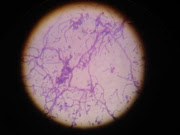
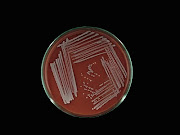
Bacteria in Photos

Bacteria in Photos