Thursday, January 21, 2010

Genetic Fingerprinting of Bacillus thuringiensis Isolates by Randomly Amplified Polymorphic DNA Polymerase Chain Reaction (RAPD-PCR)

Genetic Fingerprinting of Bacillus thuringiensis Isolates by Randomly Amplified Polymorphic DNA Polymerase Chain Reaction (RAPD-PCR)

(Published in Nepal Journal of Science and Technology 10(2009) 97-103)

Gyan Sundar Sahukhall, Upendra Thapa Shrestha1, Binod Lekhak2, Anjana Singh2, Viswanath Prasad Agrawal1

1Research Laboratory for Biotechnology and Biochemistry (RLABB), Kathmandu, Nepal.

2Central Department of Microbiology, Tribhuvan University, Kirtipur, Nepal

e-mail: gyan633413@gmail.com

Abstract

Random Amplified Polymorphic DNA (RAPD) is a method of producing a genetic fingerprint of a particular species without its prior genetic information. Relationship between species may be determined by comparing their unique fingerprint information. B. thuringiensis was isolated from soil samples of Khumbu base camp of Everest region, Nepal. Crystal protein (delta endotoxin) producing strains (46 from Phereche and 40 from Sagarmatha national park) were tested against a series of 100 decamer RAPD primers (codes 201-300, obtained from University of British Columbia) by RAPD PCR. Primer 284 was found the best among the tested primers and the reaction condition for PCR was optimized with a PCR buffer containing 10mM Tris HCl, 50 mM KCl, 3 mM MgCl2 with pH 8.3.; 200μm dNTPs each, 1U Taq polymerase , 40 pmol decamer primers, 20 ng template DNA and 1% DMSO as a final concentrations in 25μl reaction mixture. The thermal programme was programmed as initial denaturation temperature at 94oC for 5 min followed by 35 cycles with denaturation at 94oC for 1 min, annealing at 36oC for 1 min and extension at 72oC for 2 mins with final extension temperature at 72oC for 10 min. Higher polymorphic fragments were found in the range between 700-900 bp. Next to it, the range of 400-700 and 1200-1600 bp were, too, highly polymorphic among the isolates. The discriminatory capacity (D) of the RAPD-PCR was found to be 0.9901. The isolates of cold tolerant B. thuringiensis from high altitude regions were found rich in genomic polymorphism.

Key words: RAPD-PCR, fingerprint, endotoxin, Bacillus thuringiensis Berliner, polymorphism, base pair (bp)

Tuesday, December 8, 2009

Viral Diseases and its control measure

List of Epidemic Viral Diseases of Man
Following is the list of such important disease of man that appears in epidemic form:

Disease

Pathogen

Infection Sources

Reservoirs

Control Measures

German Measles

Rubella virus

Human cases

Humans

Immunization; avoid contact between infected individuals and pregnant women

Influenza

Influenza virus

Human cases

Humans, animals

Immunization

Measles

Measles virus

Human cases

humans

Immunization

Acquired immuno deficiency syndrome (AIDS)

Human immuno-deficiency virus (HIV)

Infected body fluids, especially blood and semen

Humans

Treatment with reverse transcriptase inhibitors, protease inhibitors (not curative)

Rabies

Rabies virus

Bite by carnivores

Wild and domestic carnivores

Avoid animal bites; immunization of animals handlers and exposed individuals

Hantavirus pulmonary syndrome

Hantavirus

Inhalation of contaminated fecal matter; contact

Rodents

Control of rodent population and exposure

Hemorrhagic fever

Ebola virus

Infected body fluids

Unknown fluids

Quarantine of active cases

Hepatitis

Hepatitis A,B,C,D,E

Infected humans

Humans

Decontamination of contaminated fluids and formites, immunization if available

Bacterial Diseases and its control measure

List of Epidemic Bacterial Diseases of Man

Following is the list of important epidemic disease of man caused by bacterial pathogens:

Disease

Pathogen

Infection Sources

Reservoir

Control Measures

Plague

Yersinia pestis

Bite by flea

Wild rodents

Control rodent populations, immunization

Rocky Mountain spotted fever

Rickettsia rickettsii

Bite by infected tick

Ticks, rabbits, mice

Avoid tick exposure; treat infected individuals with antibiotics

Psittacosis

Chlamydia psittaci

Contact with birds or bird excrement

Wild and domestic birds

Avoid contact with birds; treat infected individuals with antibiotic

Chlamydia

Chlamydia trachomatis

Urethral, vaginal, and anal secretions

Humans

Testing for organism during routine pelvic examinations; chemotherapy of carriers and potential contacts; case tracing and treatment

Gonorrhoea

Neisseria gonorrhoeae

Urethral and vaginal secretions

Humans

Chemotherapy of carriers and potential contacts; case tracing and treatment

Syphilis

Treponema pallidum

Infected exudates or blood

Humans

Identification by serologicall tests; antibiotic treatment of seropositive individuals

Meningicoccal meningitis

Neisseria meningitidis

Humans cases and carriers

Humans

Exposure treated with sulfadiazine for susceptible strains

Pneumococcal pneumonia

Streptococcus pneumoniae

Human carriers

Humans

Antibiotic treatment; isolation of cases for period of communicability

Tuberculosis

Mycobacterium tuberculosis

Sputum human cases; contaminated milk

Humans, cattle

Treatment with isoniazid; pasteurization of milk

Whooping cough

Bordetella pertussis

Human cases

Humans

Immunization; case isolation

Diphtheria

Corynebacterium diphtheriae

Human cases and carriers; infected food and fomites

humans

Immunization; quarantine of infected individuals

Legionnaire’s disease

Legionella pneumophila

Contaminated water

High moisture environments

Decontamination of air conditioning cooling towers, etc.

Paratyphoid

Salmonella paratyphi

Fecal contamination of food and water

Humans

Decontamination of public water sources; oversight of food handles; immunization

Typhoid fever

Salmonella typhi

Fecal contamination of food of food and water

Humans

Decontamination of public water sources; oversight of food handlers; pasteurization of milk; immunization

Tularemia

Salmonella typhi

Fecal contamination of food and water

Humans

Decontamination of public water sources; oversight of food handlers; pasteurization of milk; immunization

Anthrax

Bacillus anthracis

Milk or meat from infected animals

Cattle, swine, goats, sheep, horses

Destruction of infected animals

Bacillary dysentry

Shigella dysenteriae

Fecal contamination of food and water

Humans

Detection and control of carriers; oversight of food handlers; decontamination of water supplies

Botulism

Clostridium botulinum

Soil contaminated food

Soil

Proper preservation of milk; control of infection in animals

Brucellosis

Brucella melitensis

Milk or meat from infected animals

Cattle, swine, goats, sheep, horses

Pasteurization of milk; control of infection in animals

Cholera

Vibrio cholerae

Fecal contamination of food and water

Humans

Decontamination of public water sources; immunization

E. coli 0157 : H7 food infection

Escherichia coli O157 : H7

Fecal contamination of food and water

Humans, cattle

Decontamination of public water sources; oversight of food handlers; pasteurization of beverages

Epidemic typhus

Rickettsia prowazekii

Bite by infected louse

Humans, lice

Control louse Population

Lyme disease

Borrelia burgdorferi

Bite from infected tick

Rodents, deer, ticks

Avoid tick exposures; treat infected individuals with antibiotics

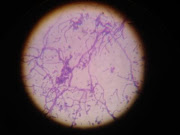
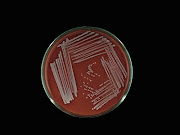
Bacteria in Photos

Bacteria in Photos